
Start with what could burn
Extinguishers are designed for particular kinds of fire. Before choosing one, list what could burn in each area: ordinary combustibles such as wood, paper and textiles; flammable liquids; flammable gases; metals; cooking oils; and energised electrical equipment.
Most premises have more than one kind of risk, so the right answer is usually a mix of extinguisher types placed by area rather than one type everywhere.
Common extinguisher types
- Water type: for ordinary combustibles. Not for electrical equipment or flammable liquids.
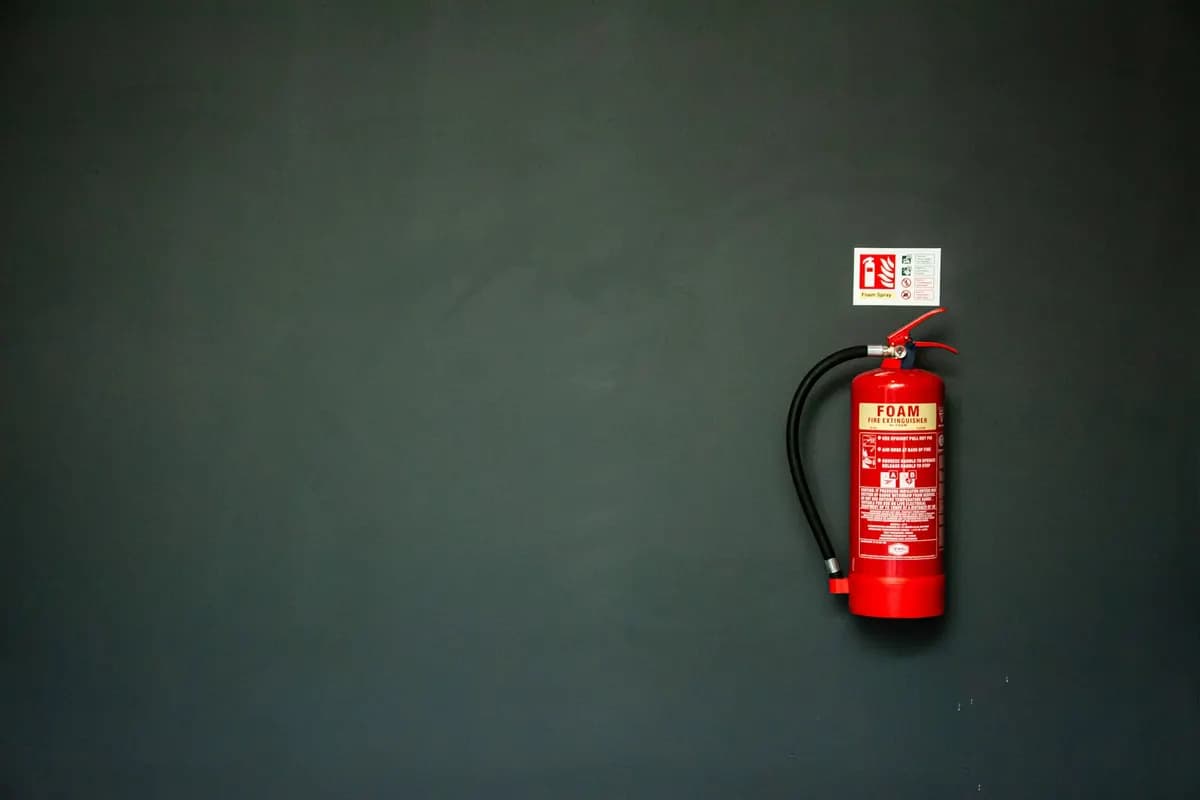
- Mechanical foam: for flammable liquids and ordinary combustibles.
- ABC dry powder: multi-purpose and widely used, though the powder reduces visibility and leaves residue.
- Carbon dioxide (CO₂): leaves no residue, so it is often chosen for electrical and electronic equipment. Use with care in small enclosed spaces.
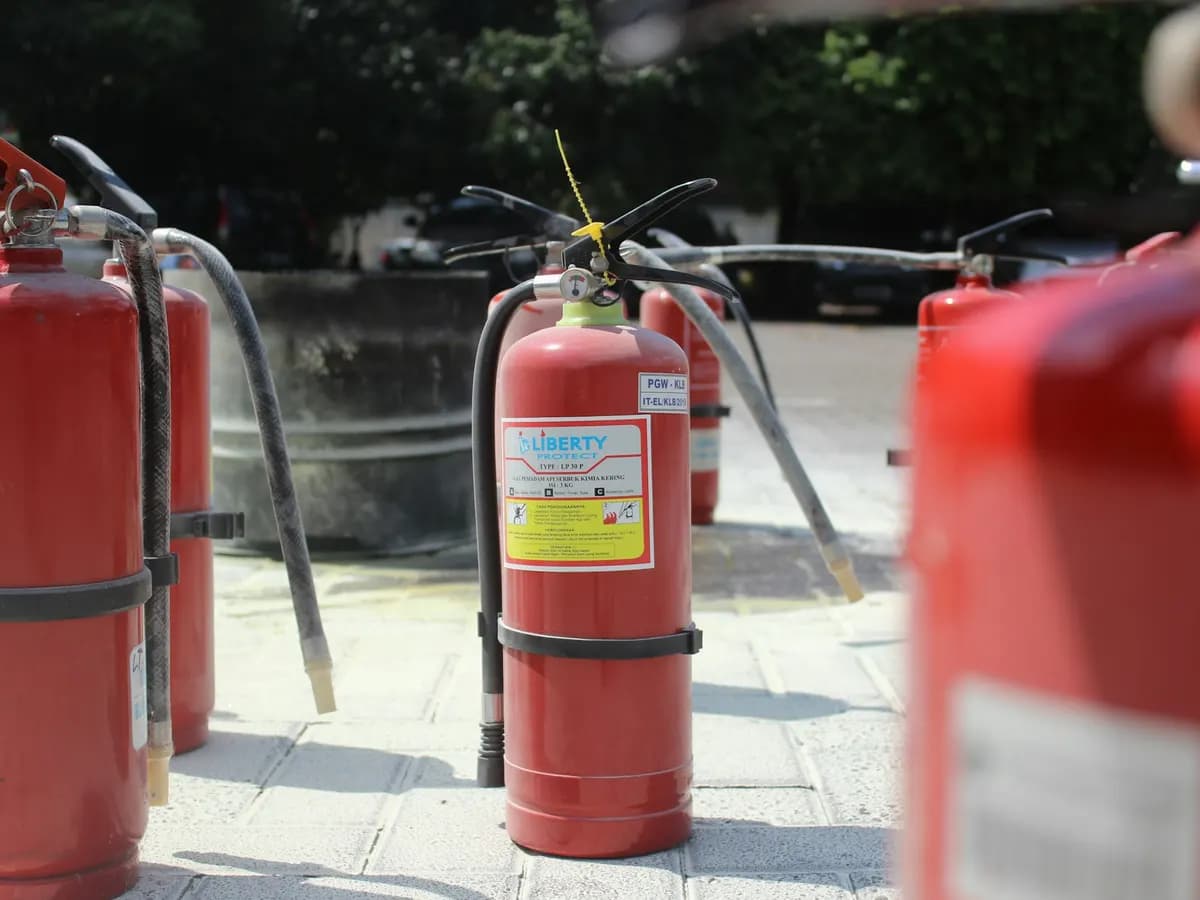
Check the label on each extinguisher. It shows the fire classes the unit is rated for and how to operate it.
Placement matters as much as type
Extinguishers should be easy to see and reach, close to the hazard they protect, and along routes people use to leave the area. They should not be blocked by stock, equipment or furniture.
The number, size and maximum travel distance to extinguishers are set out in the applicable code of practice. A site survey is the most reliable way to apply them to your layout.
Common mistakes
- Using one extinguisher type for every area regardless of the risk
- Placing water extinguishers next to electrical panels
- Leaving discharged or damaged units in place
- Assuming staff know how to use an extinguisher without training